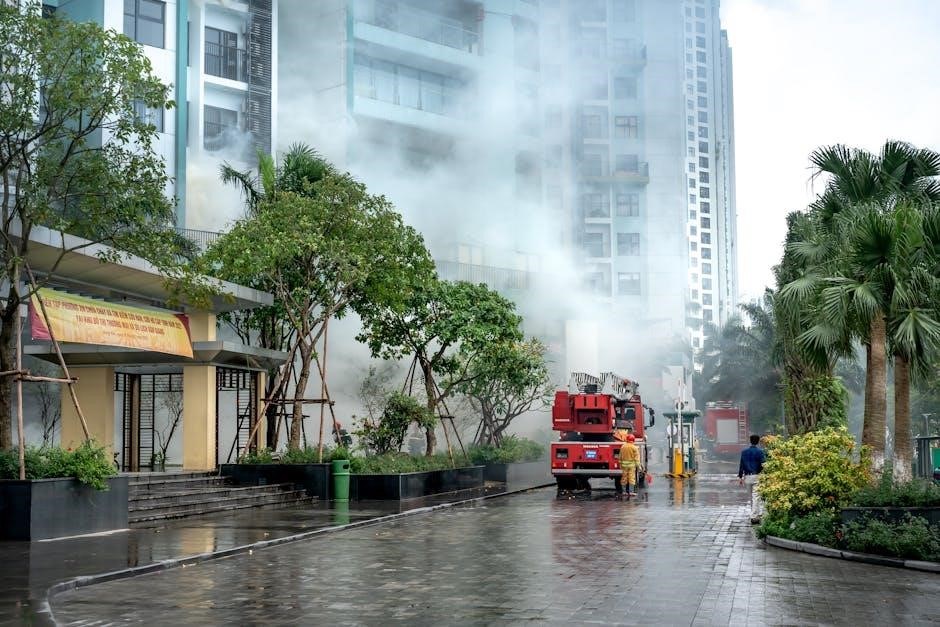
Brannigan’s remains the definitive guide, offering crucial insights for firefighters; BMO’s digital banking platform provides secure financial management, mirroring the text’s practical focus.
Overview of the Textbook’s Importance
Brannigan’s Building Construction for the Fire Service (6th Edition) is absolutely critical for modern firefighters and fire officers. This textbook transcends a simple overview; it’s a foundational resource directly impacting firefighter safety and operational effectiveness. Understanding how buildings are constructed – from basic materials to complex engineering – is paramount when facing dynamic fireground scenarios.
The 6th edition builds upon decades of established knowledge, incorporating contemporary construction techniques and materials. Like BMO’s secure digital banking, which prioritizes financial safety, Brannigan’s prioritizes life safety. It equips responders to anticipate building behavior under fire stress, predict collapse potential, and implement appropriate tactical decisions.
Furthermore, the text emphasizes the importance of pre-incident planning, mirroring BMO’s comprehensive financial services. Knowing a building’s construction type, protective systems, and potential hazards allows for a more informed and safer response. This knowledge isn’t merely academic; it’s a vital component of effective fireground operations, directly influencing outcomes and minimizing risk.
Target Audience: Firefighters and Fire Officers
Brannigan’s Building Construction for the Fire Service (6th Edition) is specifically tailored for both frontline firefighters and commanding fire officers. It’s designed to bridge the gap between traditional firefighting tactics and the evolving landscape of modern building construction. The content is accessible to those new to the field, while simultaneously providing advanced insights for seasoned veterans.
Firefighters will benefit from the detailed explanations of building components and their fire behavior, enabling safer and more effective interior operations – much like BMO’s online banking offers easy account management. Officers will utilize the information for strategic decision-making, resource allocation, and incident command.
The textbook’s practical approach, coupled with real-world case studies, makes it invaluable for training academies, continuing education programs, and individual professional development. Just as BMO provides comprehensive banking services, Brannigan’s delivers a comprehensive understanding of building construction, empowering personnel at all levels to mitigate risk and protect lives.
Understanding Building Construction Fundamentals
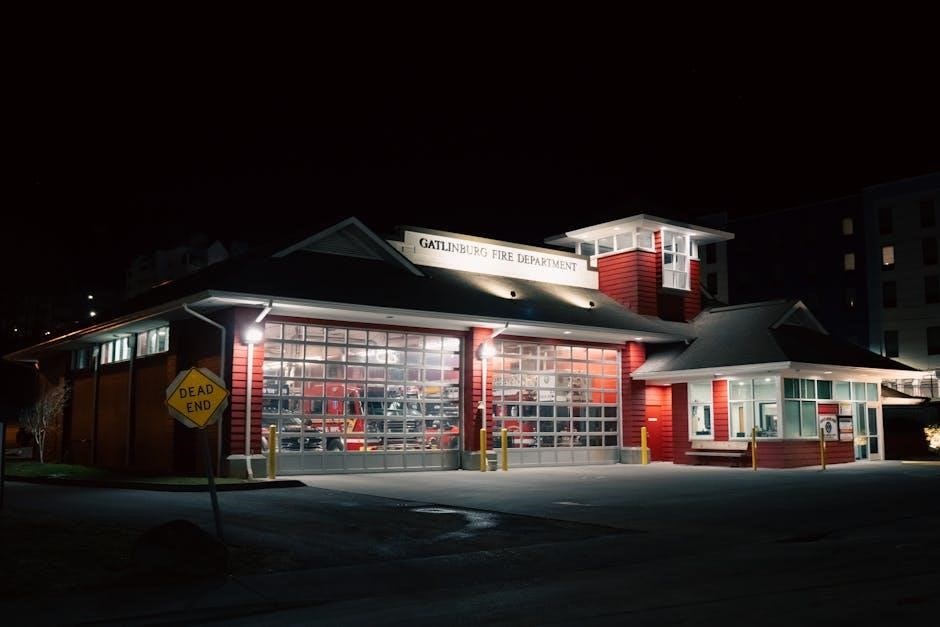
Brannigan’s expertly details building types, components, and fire behavior, mirroring BMO’s secure platform for managing finances with clarity and precision.
Types of Building Construction: A Detailed Breakdown
Brannigan’s meticulously categorizes construction types – Type I (fire-resistive), Type II (non-combustible), Type III (ordinary), Type IV (heavy timber), and Type V (wood-frame). Each classification receives comprehensive attention, detailing materials, fire resistance ratings, and inherent structural behaviors under fire conditions. Understanding these distinctions is paramount for firefighters, influencing tactical decisions regarding fire attack, ventilation, and potential collapse zones.
The text emphasizes how each type reacts differently to thermal stress, impacting fire spread and firefighter safety. Just as BMO offers diverse banking services tailored to individual needs, Brannigan’s provides a nuanced understanding of building construction, recognizing that a one-size-fits-all approach is inadequate. Recognizing these variations allows for a more informed and effective response, minimizing risk and maximizing operational success. The detailed breakdown equips responders with the knowledge to anticipate building behavior during emergencies.
Type I: Fire-Resistive Construction
Brannigan’s details Type I construction as utilizing concrete, steel, and masonry – materials inherently resistant to fire. These buildings are designed to contain fires, offering substantial fire separation and protecting structural integrity for extended periods. However, the text cautions against complacency; even fire-resistive structures aren’t impervious. Fire loading, prolonged exposure, and compromised firestopping can lead to eventual failure.
Like BMO’s secure digital banking, Type I construction provides a strong initial defense. Brannigan’s stresses recognizing potential weaknesses, such as penetrations in fire-rated walls or the impact of lightweight concrete. Collapse potential, while lower than other types, still exists, particularly with overloaded floors or damaged columns. Understanding these nuances is crucial for safe and effective fireground operations, demanding thorough size-up and continuous monitoring.
Type II: Non-Combustible Construction
Brannigan’s explains Type II construction employs non-combustible materials like metal decking with concrete fills, and metal studs with gypsum board. While the primary structure resists fire, combustible elements – roofing materials, interior finishes, contents – are present, creating a fire hazard. This contrasts with Type I, demanding a different tactical approach.
Similar to BMO’s layered security measures, Type II construction offers partial fire protection. Brannigan’s emphasizes the importance of recognizing concealed spaces, which can facilitate hidden fire spread. Lightweight components, often used in Type II buildings, present collapse concerns, requiring careful assessment of floor and roof loading. Firefighters must anticipate rapid fire development due to the presence of combustibles and be prepared for potential flashover. Thorough ventilation strategies and aggressive interior attack are often necessary, guided by a comprehensive understanding of the building’s construction details.
Type III: Ordinary Construction
Brannigan’s details Type III, or Ordinary Construction, utilizing non-combustible exterior walls (brick, concrete block) with interior structural members of wood. This combination presents unique fire behavior characteristics. While exterior walls offer initial fire resistance, the wood framing within creates a significant fuel load and potential for rapid fire spread, much like vulnerabilities within a digital banking system needing constant monitoring, as BMO provides.
Brannigan’s stresses the vulnerability of Type III buildings to fire originating in concealed spaces within the wood frame. Collapse potential is a major concern, particularly with heavy timber floors and roofs. Firefighters must prioritize identifying and extinguishing hidden fire, coupled with aggressive ventilation to prevent flashover. Understanding the limitations of the exterior walls – they won’t prevent interior fire spread indefinitely – is crucial for effective tactics. Pre-incident planning should focus on identifying these vulnerabilities and developing appropriate response strategies.
Type IV: Heavy Timber Construction
Brannigan’s explains that Type IV, Heavy Timber construction, relies on substantial wood members for structural support, offering inherent fire resistance due to charring. This char layer insulates the remaining wood, slowing combustion – a principle akin to BMO’s security measures protecting financial data. However, this doesn’t equate to fireproof; significant fire loads can eventually compromise the structure.
Brannigan’s emphasizes the importance of recognizing that while heavy timber resists penetration by fire, it will burn. Large voids within the construction can facilitate hidden fire spread, and collapse is still possible, especially if the timber is weakened by prolonged exposure. Ventilation is critical to remove smoke and heat, but must be carefully coordinated to avoid accelerating fire growth. Firefighters must be aware of the potential for deep-seated smoldering and the need for thorough overhaul.
Type V: Wood-Frame Construction
Brannigan’s details Type V, Wood-Frame construction, as the most common – and often the most vulnerable – building type encountered by firefighters. Lightweight components and concealed spaces contribute to rapid fire development and spread, demanding aggressive tactics. Similar to the swift access BMO Digital Banking offers, fire can quickly access and consume these structures.
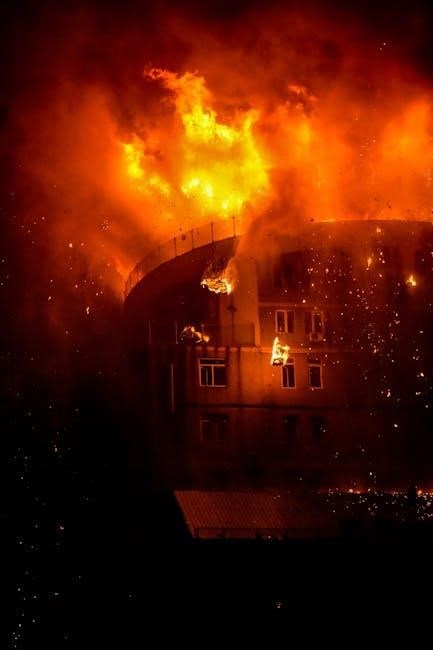
Brannigan’s stresses the importance of understanding that wood-frame buildings lack inherent fire resistance. Fire can rapidly penetrate walls and floors, leading to flashover and structural collapse. Ventilation is paramount, but must be carefully managed to prevent worsening conditions. Firefighters must anticipate rapid fire growth, prioritize life safety, and employ coordinated attacks. Thorough overhaul is essential to extinguish hidden fires within wall cavities and floor/ceiling assemblies, preventing reignition.
Building Components and Their Behavior in Fire
Brannigan’s meticulously examines how building components react under fire conditions, emphasizing that understanding these behaviors is crucial for firefighter safety and effective incident management. Just as BMO offers secure account management, understanding a building’s structure provides a secure foundation for fireground operations.
The text details how structural elements – walls, floors, and roofs – respond to heat and stress, detailing potential failure modes. Brannigan’s highlights the critical role of protective elements like firestopping and draftstopping in containing fire and smoke spread. These systems, when properly installed, compartmentalize buildings, slowing fire progression. Recognizing the limitations of these systems, and anticipating their failure, is paramount. The book stresses the importance of observing for signs of structural distress, such as cracking, deflection, and smoke leakage, to predict potential collapse.
Structural Elements: Walls, Floors, and Roofs
Brannigan’s provides an in-depth analysis of walls, floors, and roofs, detailing their construction types and inherent weaknesses under fire stress. Similar to BMO’s comprehensive banking services, the text offers a complete overview of these fundamental building components. Walls, whether load-bearing or non-load-bearing, impact fire spread and stability.
Floor construction varies significantly, influencing load capacity and collapse potential. Roofs, often the first to fail, present significant hazards. Brannigan’s emphasizes recognizing different roof types – flat, pitched, arched – and identifying collapse indicators like sagging, cracking, and popping sounds. Understanding how these elements interact, and how fire affects their integrity, is vital for safe and effective fireground tactics. The book stresses the importance of considering the cumulative effects of fire damage on all structural elements.
Protective Elements: Firestopping and Draftstopping
Brannigan’s meticulously details firestopping and draftstopping – crucial, often concealed, elements designed to compartmentalize buildings and limit fire spread. Much like BMO’s security measures protecting financial data, these systems safeguard building occupants. Firestopping seals penetrations in fire-resistance-rated walls and floors, preventing flames and smoke from traveling through concealed spaces.
Draftstopping, found within concealed spaces like attics and wall cavities, restricts airflow that fuels fire growth. Brannigan’s emphasizes the importance of locating these systems, as their absence or failure dramatically increases fire risk. Recognizing materials used – from mineral wool to intumescent coatings – aids in predicting performance under fire conditions. Understanding these protective measures is paramount for effective fire suppression and life safety, mirroring the proactive approach of BMO’s banking services.
Fire Behavior in Different Construction Types
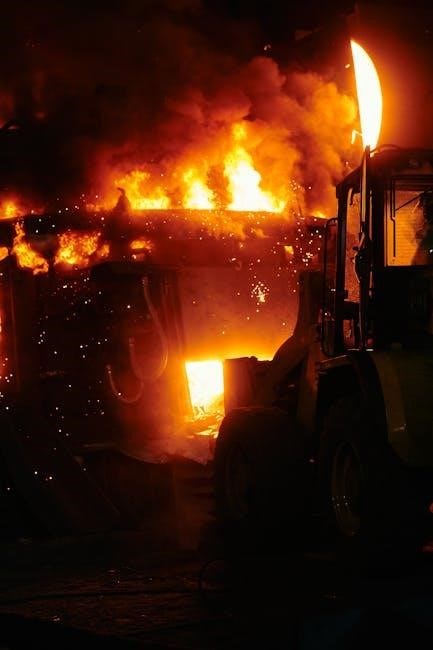
Brannigan’s expertly analyzes how fire behaves within each construction type, much like BMO manages diverse financial accounts, ensuring safety and control.
Type I & II Construction: Fire Spread and Collapse Potential
Brannigan’s meticulously details how, despite their fire-resistive and non-combustible qualities, Type I and II structures aren’t immune to collapse. While designed to contain fires, prolonged exposure and unforeseen circumstances – like compromised firestopping – can lead to structural failure. The textbook emphasizes understanding how fire spreads within concealed spaces, potentially weakening steel supports.
Similar to BMO’s secure banking platform protecting financial assets, these building types offer initial protection, but vulnerabilities exist. The 6th edition highlights the importance of recognizing early warning signs of distress, such as deflected steel or cracking concrete. Firefighters must anticipate potential collapse zones and adjust tactics accordingly, prioritizing life safety. Understanding the limitations of these seemingly robust structures is paramount for effective fireground operations, mirroring the diligent risk management practiced by financial institutions like BMO.
Type III Construction: Common Fire Problems and Tactics
Brannigan’s dedicates significant attention to Type III (Ordinary) construction, noting its inherent vulnerabilities due to concealed combustible components within non-combustible walls. These buildings present unique challenges, often experiencing rapid fire spread through voids and concealed spaces – similar to how undetected vulnerabilities can impact financial security, as BMO diligently safeguards against.
The textbook stresses the importance of aggressive vertical ventilation to control fire extension and prevent collapse. Firefighters must anticipate hidden fire and be prepared for potential structural instability. Tactics should prioritize identifying and extinguishing concealed fires, coupled with coordinated interior attacks. Understanding the limitations of firestopping and draftstopping is crucial. Like BMO’s comprehensive banking services, a thorough understanding of Type III construction is essential for effective fire suppression and life safety, demanding proactive and informed strategies.
Type IV Construction: Unique Fire Challenges and Considerations
Brannigan’s highlights Type IV (Heavy Timber) construction’s seemingly paradoxical fire behavior – substantial wood members offer inherent fire resistance, yet can still succumb to deep-seated fires. While large timbers char slowly, creating a protective layer, complete extinguishment requires reaching hidden embers within the mass. This mirrors BMO’s secure digital banking, offering robust protection but requiring vigilance against evolving threats.
The textbook emphasizes the importance of understanding load paths and potential collapse points, as weakened timbers can fail unexpectedly. Firefighters must be aware of the potential for long-duration fires and the need for extensive overhaul. Ventilation strategies should be carefully considered to avoid accelerating fire spread. Effective tactics involve penetrating the timber to reach the core of the fire, demanding patience and a systematic approach, much like diligent financial planning.
Type V Construction: Rapid Fire Development and Ventilation
Brannigan’s details how Type V (Wood-Frame) construction presents the most rapid fire development due to its lightweight materials and extensive concealed spaces. This construction type, common in residential and smaller commercial buildings, offers little fire resistance, leading to quick flame spread and potential structural collapse. Similar to BMO’s need for constant security updates, firefighters must adapt quickly to the dynamic fire environment.
The textbook stresses the critical role of ventilation in Type V fires. Coordinated ventilation is essential to remove heat and smoke, but improper ventilation can dramatically accelerate fire growth. Firefighters must prioritize rapid fire suppression and search and rescue, recognizing the limited time available before structural failure. Understanding fire behavior and applying appropriate tactics are paramount, mirroring the proactive financial management BMO encourages.
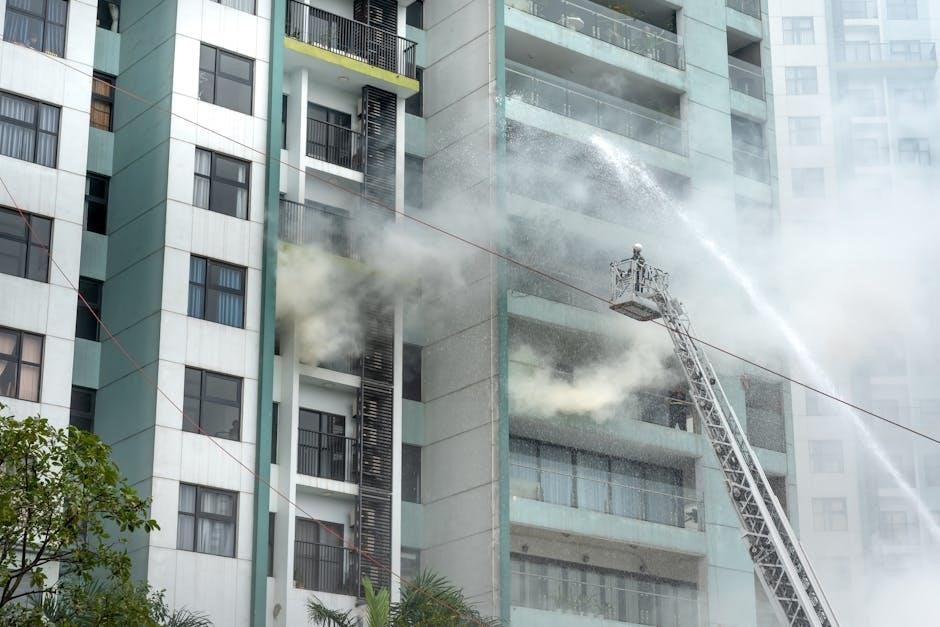
Specific Building Features and Fireground Operations
Brannigan’s emphasizes recognizing collapse indicators and understanding load paths, akin to BMO’s secure banking—both require diligent assessment of structural integrity.
Roof Construction: Identifying Types and Collapse Indicators
Brannigan’s meticulously details roof types – flat, pitched, arched, and folded – emphasizing material variations and their fire behavior. Understanding these distinctions is paramount for firefighter safety. The text stresses recognizing pre-collapse indicators: sagging, cracking sounds, and deflected support beams. Like BMO’s secure digital platform, a thorough assessment is vital.
Particular attention is given to lightweight roofs, common in modern construction, which exhibit rapid fire spread and collapse potential. Identifying lightweight truss systems is crucial, as they offer little warning before failure. Brannigan’s also covers the impact of penetrations – skylights, HVAC units – on roof integrity, creating potential pathways for fire extension and structural weakening. Just as BMO prioritizes security, firefighters must prioritize recognizing these vulnerabilities during size-up and operations;
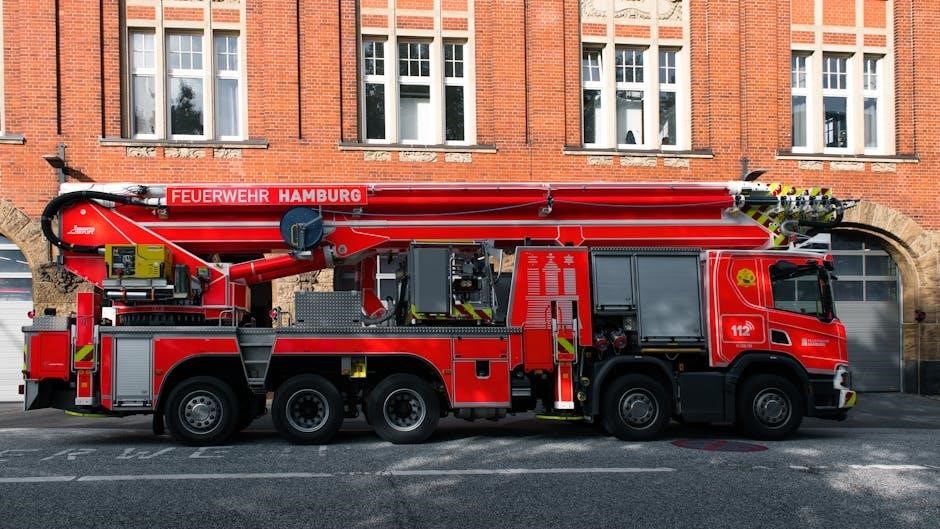
The importance of considering roof loads – snow, equipment, and firefighting activities – is highlighted, as exceeding these limits accelerates collapse. Proper ventilation tactics, accounting for roof construction, are also discussed, minimizing the risk of compromising structural stability.
Floor Construction: Load-Bearing Capacity and Failure Modes
Brannigan’s comprehensively examines floor systems – concrete, wood, steel – detailing their load-bearing capacities and typical failure modes. Understanding these characteristics is critical for firefighter safety during rescue and fire suppression operations. Similar to BMO’s secure banking, a solid foundation of knowledge is essential.
The text emphasizes recognizing signs of impending floor failure: deflection, cracking, and unusual sounds. It details how fire affects different floor materials, weakening their structural integrity. Lightweight concrete floors, increasingly common, are highlighted as presenting unique challenges due to their reduced strength and rapid deterioration under fire conditions.
Brannigan’s also covers the impact of openings – stairwells, elevator shafts – on floor stability, creating stress concentrations. Proper assessment of floor loads, including the weight of personnel and equipment, is crucial to prevent overloading and collapse. Just as BMO manages financial loads, firefighters must manage structural loads effectively.
Wall Construction: Understanding Wall Types and Stability
Brannigan’s provides a detailed analysis of various wall types – bearing, shear, curtain – explaining their construction methods and inherent stability characteristics. Like BMO’s robust security measures, understanding wall construction is fundamental to firefighter safety. The text stresses recognizing how fire impacts different wall materials, compromising their structural integrity.
It details the importance of identifying load-bearing walls, as their failure can initiate progressive collapse. Lightweight wall systems, prevalent in modern construction, are highlighted as posing increased risks due to their limited fire resistance and potential for rapid failure. Recognizing concealed spaces within walls – voids, chases – is crucial, as they can facilitate fire spread.
Brannigan’s also covers the impact of penetrations – windows, doors, openings for utilities – on wall stability, creating weak points. Assessing wall conditions, looking for signs of distress like cracking or deflection, is vital before entering a structure.
Stairwells and Vertical Openings: Fire and Smoke Propagation
Brannigan’s meticulously examines stairwells as critical pathways for both fire and smoke movement within a building, much like BMO’s digital banking platform facilitates secure financial transactions. The text emphasizes that unprotected stairwells act as chimneys, rapidly drawing flames and toxic gases upwards. Understanding stairwell construction – enclosed, unenclosed, fire-rated – is paramount for tactical decision-making.
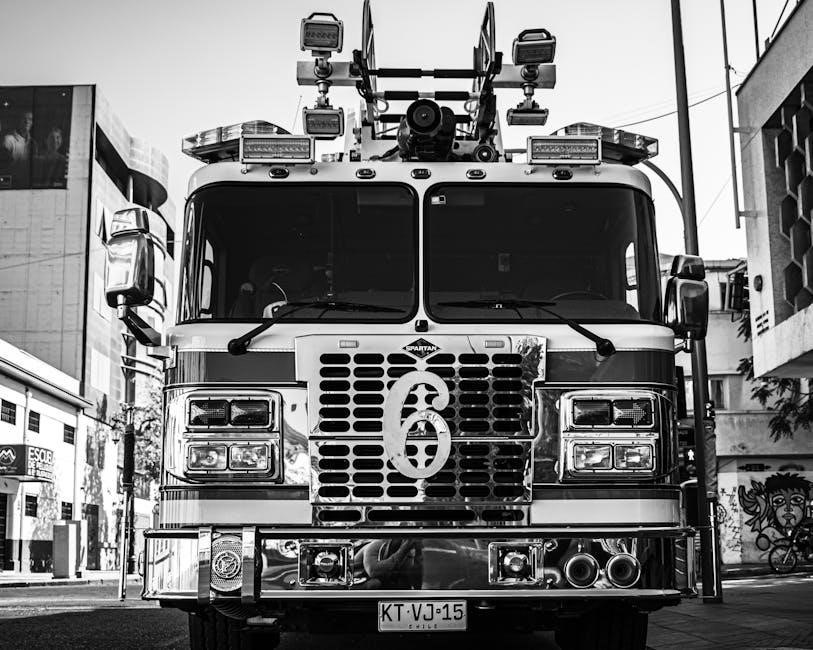
It details how vertical openings, such as elevator shafts and atriums, exacerbate fire spread, creating significant challenges for containment. The book stresses the importance of identifying stairwell fire resistance ratings and the presence of smoke control systems. Recognizing the potential for stack effect – the upward flow of hot gases – is crucial for predicting fire behavior.
Brannigan’s also covers the dangers of relying on stairwells for egress during a fire, particularly if compromised by smoke or structural damage.

Advanced Topics in Building Construction for Firefighters
Brannigan’s delves into lightweight construction, modern materials, and building codes, mirroring BMO’s secure digital banking, demanding constant adaptation and vigilance.
Lightweight Construction: Recognizing Hazards and Adapting Tactics
Brannigan’s emphasizes the increasing prevalence of lightweight construction, a significant shift demanding altered fireground tactics. These structures, often utilizing engineered wood products like I-joists and trusses, offer reduced fire resistance compared to traditional methods. Early failure is a primary concern, potentially occurring much faster than anticipated, creating immediate collapse hazards for firefighters.
Recognizing these building features – often lacking robust firestopping and utilizing thinner materials – is paramount. Tactics must prioritize rapid size-up, conservative entry, and minimizing interior loads. Ventilation considerations are critical, as lightweight roofs can fail quickly under thermal stress.
Similar to BMO’s secure digital banking requiring constant vigilance against evolving cyber threats, firefighters must adapt to the changing landscape of building construction. Understanding these vulnerabilities and adjusting operational strategies are essential for firefighter safety and effective incident mitigation. Pre-planning and continuous training are vital components of preparedness.
Modern Construction Materials: New Challenges for Fire Suppression
Brannigan’s details how modern materials present unique fire suppression challenges, moving beyond traditional expectations. The increased use of plastics, composites, and engineered wood products alters fire behavior, often leading to faster flame spread and the release of toxic fumes. These materials may not exhibit predictable failure patterns, complicating risk assessment during fire incidents.
Effective suppression requires understanding how these materials react to heat and water. Some plastics melt and contribute to fuel loading, while others release hazardous gases upon decomposition. Similar to BMO’s need to adapt to evolving security protocols, firefighters must adjust tactics based on material composition.
The text stresses the importance of recognizing these changes and employing appropriate strategies, including enhanced ventilation, specialized extinguishing agents, and increased emphasis on firefighter safety. Continuous training and awareness of new building technologies are crucial for effective fireground operations.
Building Codes and Their Impact on Fire Safety
Brannigan’s emphasizes that building codes are foundational to fire safety, dictating construction methods and material usage to minimize risk. These codes, continually evolving, aim to protect occupants and firefighters by establishing standards for fire resistance, compartmentation, and egress. Understanding these regulations is vital for pre-incident planning and operational decision-making.

The textbook details how code requirements influence building design, impacting fire spread, structural stability, and accessibility for emergency responders. Just as BMO adheres to financial regulations, builders must comply with stringent fire safety codes.
Changes in codes often reflect lessons learned from past fires and advancements in fire protection technology. Firefighters must stay informed about local amendments and interpretations to effectively assess building hazards and implement appropriate tactics. Code compliance doesn’t guarantee absolute safety, but significantly reduces potential for catastrophic events.
Pre-Incident Planning and Building Construction Knowledge
Brannigan’s underscores the critical link between building construction knowledge and effective pre-incident planning. Thoroughly understanding a building’s structural systems – mirroring BMO’s detailed financial assessments – allows firefighters to anticipate fire behavior and potential collapse scenarios.
Pre-planning should involve identifying construction types, fire resistance ratings, potential fire spread paths, and access points. This information informs tactical decisions regarding fire attack, ventilation, and rescue operations. Knowing where firestopping is located, for example, can dramatically alter strategy.
Effective pre-incident planning, fueled by Brannigan’s insights, minimizes risks to firefighters and maximizes the chances of a successful outcome. Just as BMO provides secure online banking, understanding building construction provides a secure operational foundation. Regular building surveys and documentation are essential components of this process.
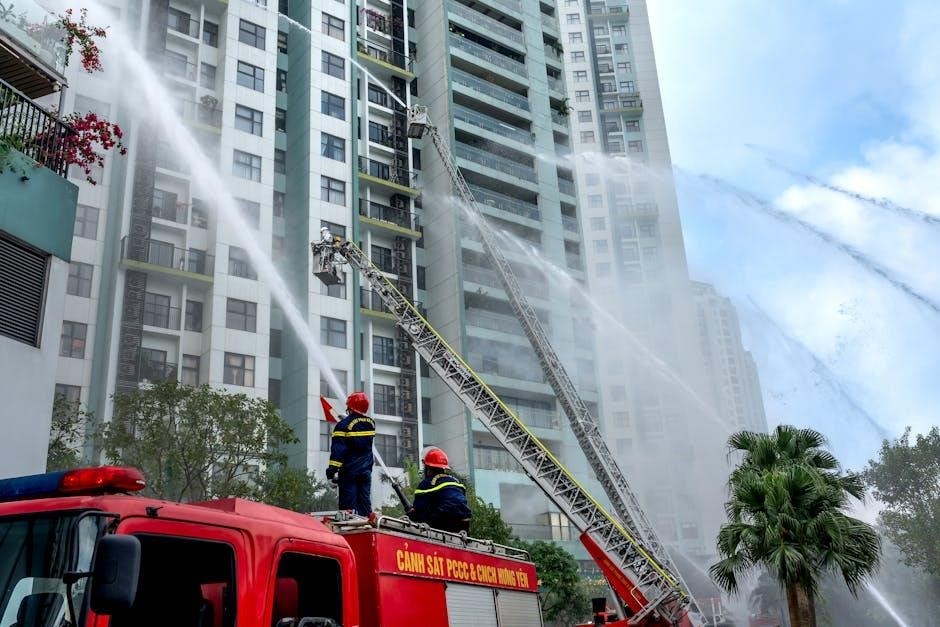
Resources and Further Learning
Brannigan’s 6th Edition, coupled with BMO’s digital resources, offers continuous learning; online courses and professional development enhance fire service expertise.
Utilizing Brannigan’s 6th Edition for Training
Brannigan’s 6th Edition serves as a cornerstone for comprehensive fire service training programs, demanding active engagement beyond simple reading. Effective training leverages the book’s detailed illustrations and real-world examples through scenario-based exercises. Firefighters should practice identifying building construction types during pre-incident planning, mirroring BMO’s secure online banking access for personalized support.
Tabletop exercises focusing on collapse potential, fire spread, and ventilation strategies are crucial. Supplementing the text with hands-on drills – such as wall breaching simulations or roof cutting exercises – reinforces theoretical knowledge. Instructors should emphasize the importance of understanding lightweight construction and modern materials, mirroring BMO’s adaptation to evolving digital security needs.
Regular review and updates, incorporating lessons learned from actual incidents, are essential. Utilizing the book in conjunction with online resources and continuing education opportunities maximizes its value, fostering a culture of continuous professional development within the fire department, much like BMO’s commitment to efficient and secure banking services.
Online Resources and Continuing Education
Complementing Brannigan’s 6th Edition with online resources is vital for staying current with evolving building practices. Numerous websites and online courses offer supplementary materials, mirroring BMO’s digital banking platform for convenient account management. The National Fire Protection Association (NFPA) provides valuable standards and codes related to building construction, offering a deeper understanding of fire safety principles.
Online forums and communities allow firefighters to share experiences and discuss challenging scenarios, fostering collaborative learning. Virtual reality (VR) training simulations can provide immersive experiences, replicating real-world fireground conditions. Continuing education courses focusing on specific construction types or modern materials are highly recommended, similar to BMO’s comprehensive banking services.
Regular participation in webinars and workshops ensures firefighters remain proficient in building construction analysis. Utilizing these resources alongside Brannigan’s strengthens their ability to anticipate hazards and implement effective fireground tactics, promoting a proactive approach to fire safety, just as BMO prioritizes secure financial solutions.
Importance of Ongoing Professional Development
Continuous professional development is paramount for firefighters, especially concerning building construction knowledge, mirroring BMO’s commitment to secure and efficient financial services. Building technology constantly evolves, necessitating ongoing learning to effectively address new challenges. Relying solely on initial training, even with a resource like Brannigan’s 6th Edition, is insufficient.
Regularly reviewing building codes and standards ensures firefighters understand current safety regulations. Participating in refresher courses and advanced training programs reinforces core concepts and introduces innovative tactics. Sharing knowledge with colleagues through mentorship and peer-to-peer learning enhances team preparedness, similar to BMO’s collaborative banking approach.
Staying informed about emerging construction materials and techniques is crucial for accurate hazard assessment. Proactive professional development empowers firefighters to make informed decisions on the fireground, ultimately improving firefighter safety and enhancing community protection, just as BMO prioritizes customer security.